
Kikotan Nation of Virginia: Preserving the History of a Forgotten Indigenous Tribe for the Seventh Generation

By Guadalupe Vanderhorst Rodriguez, D.A.c L.Ac
When we look at a map of Virginia today, it’s easy to see cities, highways, and familiar place names—and forget that every one of those places once had an Indigenous name, an Indigenous people, and an Indigenous story.
One of those stories belongs to the Kikotan Nation (pronounced Kee-Ko-tan}, a small Algonquin-speaking tribe who lived where Hampton stands today.
This blog post is not meant to be a dry history lesson. It’s a conversation—a remembering. Because the truth is, history lives best when it’s shared in a way that feels human, connected, and meaningful. And the Kikotan's story deserves exactly that.
Before Hampton, There Was Kikotan
Long before the name “Hampton” ever appeared on a map, the Kikotan people lived along the waters of the Chesapeake Bay. They fished, farmed, traded, and raised their children with a deep respect for the land and the natural rhythms of life.
The Kikotan were an Algonquin-speaking people, culturally connected to other coastal tribes in the region, yet distinct in their identity and community. They were not a large confederacy. They were a small tribe, and that fact matters—because small tribes were often the first to be overlooked, absorbed, or erased when colonial forces arrived.
But small does not mean unimportant.
Small nations carry stories just as powerful, wisdom just as deep, and legacies just as lasting as any larger group.
Conflict Did Not End the Kikotan Story
In the mid-1500s, the Kee Ko tan became involved in conflict with the Powhatan Confederacy, a powerful alliance of tribes in the region. During this time, the Kikotan chief—born around 1540—was killed.

In many history books, this is where a story might end.
But Indigenous history doesn’t work that way.
Instead of erasing the Kikotan leadership, the Powhatan chief placed the Kee Ko tan chief’s son, Pochin, as the new leader.
Pochin married a Kikotan maiden, ensuring the bloodline, identity, and cultural continuity of the people.
This moment reveals something deeply important about Indigenous survival. Survival was not always about domination or victory—it was often about adaptation, relationship, and continuity.
The Kikotan did not disappear. They endured.
When Colonization Renamed the Land
The arrival of English colonists in the early 1600s changed everything.
Colonial leaders did not recognize Indigenous sovereignty. They saw land as something to claim, rename, and control. One of the most damaging tools of colonization was not just violence—it was renaming.
Governor Thomas Gates sought to eliminate the Kikotan people. By 1607, the land once known as Kikotan was renamed Elizabeth City.
When a place is renamed, a story is buried.
Future generations grow up believing that history began with colonization, unaware that entire nations lived, thrived, and shaped the land long before European arrival.
The Kikotan did not vanish—but their name was pushed into the shadows.
Why Indigenous History Is So Often Missing
Many people ask, “Why don’t we hear about tribes like the Kikotan?”
The answer is complex, but it comes down to three things:
Small tribes were rarely documented in colonial records
Indigenous history was primarily oral, not written
Colonial systems had no interest in preserving Native identity
When Indigenous names disappear from maps, they often disappear from memory as well.
That’s why research, storytelling, and preservation matter so much today.
The Seventh Generation Teaching
Among many Indigenous nations is a powerful guiding principle: Every decision should be made with the seventh generation in mind.
This teaching asks us to look far beyond our own lifetime. It reminds us that what we choose to preserve—or ignore—will shape the lives of people we will never meet.
When Indigenous history is forgotten, future generations are left searching for answers that should have been passed down.
Preserving the Kikotan story is not about correcting the past—it’s about protecting the future.
A Descendant’s Commitment to Remembrance
Dr. Guadalupe Vanderhorst Rodriguez, founder of Book Serenity, is a descendant of the Kikotan Nation. Her work in genealogy, Indigenous history, and storytelling is part of a much older responsibility: remembering who came before and passing that knowledge forward.

Through research, writing, and the Book Serenity Podcast, she gives voice to stories that colonial history tried to silence. The podcast episode “Kikotan Nation of Virginia: Preserving the History of a Forgotten Indigenous Tribe for the Seventh Generation” is an ancestral narrative—one that honors oral tradition while reaching modern listeners.
This is how history stays alive.
Why the Kikotan Story Matters Today
You don’t have to be Indigenous to care about Indigenous history.
When we understand who lived on the land before us, we develop a deeper respect for place, ancestry, and interconnectedness.
Indigenous history reminds us that:
Land has memory
Names carry meaning
Survival takes many forms
The Kikotan were never gone. They were absorbed into families, records, and descendants who would one day ask the right questions.
And those questions matter.
Remembering Is an Act of Healing
History isn’t just about dates and events. It’s about people.
When Indigenous stories are restored, something heals—not only for descendants, but for anyone willing to listen. Remembering the Kikotan is a way of honoring resilience, continuity, and truth.
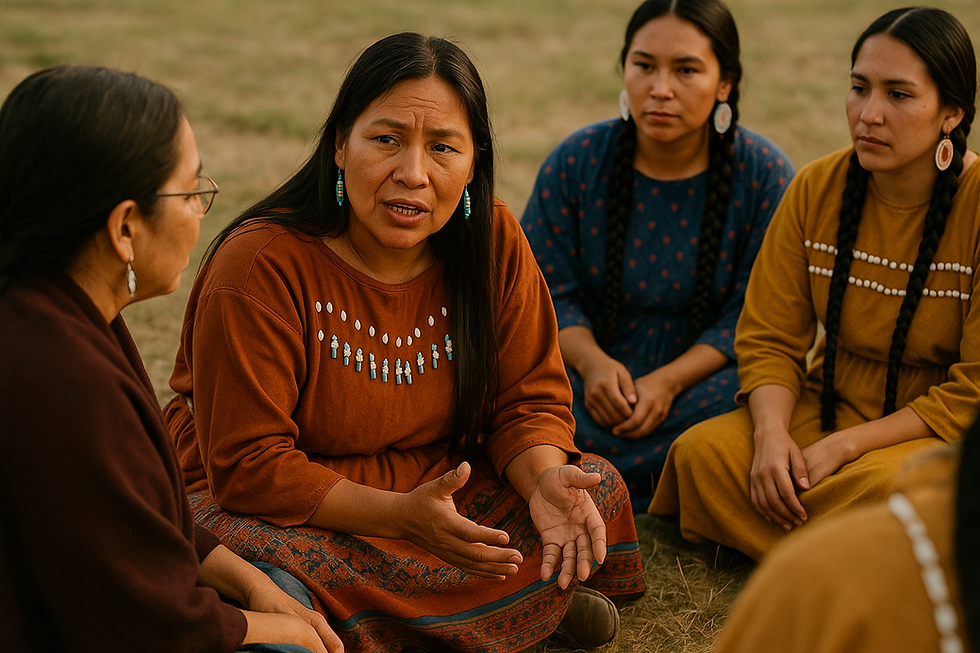
It’s also a reminder that small nations matter.
Continuing the Journey with Book Serenity
At Book Serenity, preserving Indigenous history is part of a larger mission: honoring forgotten voices, sharing ancestral wisdom, and helping readers reconnect with the deeper stories of this land.
When we remember who was here before, we better understand who we are today—and what we owe the generations yet to come.
Because history remembered is history protected.
And the Kikotan Nation deserves to be remembered.
Resources to Learn More About the Kikotan Nation
Because the Kikotan Nation was a small Algonquian-speaking tribe, much of their history appears within broader studies of Virginia Indigenous peoples, early colonial records, archaeology, and place-based research. The resources below are carefully selected to help readers learn responsibly, thoughtfully, and accurately.
Books & Scholarly Reading
These books provide essential cultural and historical context for understanding the Kikotan and related Virginia Algonquian peoples:
The Powhatan Indians of Virginia: Their Traditional CultureHelen C. Rountreehttps://www.oupress.com/9780807841991(A foundational work on coastal Algonquian tribes, including smaller nations like the Kikotan.)
Pocahontas’s People: The Powhatan Indians of Virginia Through Four CenturiesHelen C. Rountreehttps://www.oupress.com/9780807849799(Explores survival, adaptation, and continuity from pre-contact through modern times.)
Before and After Jamestown: Virginia’s Powhatans and Their Predecessorshttps://www.jstor.org/stable/25616413(Archaeological and cultural insights into Indigenous life before English settlement.)
Museums & Educational Institutions
These organizations preserve artifacts, research, and educational materials relevant to the Kikotan homeland:
Jamestown Rediscovery Foundationhttps://historicjamestowne.org(Research on early Virginia history and Indigenous–colonial encounters.)
Virginia Museum of History & Culturehttps://virginiahistory.org(Collections, maps, and exhibits on Native peoples of Virginia.)
National Museum of the American Indian (Smithsonian)https://americanindian.si.edu(Broader Indigenous context, Algonquian culture, and respectful learning frameworks.)
Maps, Geography & Place-Based History
Understanding where the Kikotan lived helps clarify who they were:
Native Lands Digital Map (Interactive)https://native-land.ca(Shows Indigenous territories, languages, and treaties, including coastal Virginia tribes.)
Library of Congress – Early Virginia Mapshttps://www.loc.gov/maps/?fa=location:virginia(Historical maps showing early place names, settlements, and land changes.)
Chesapeake Bay Algonquian Tribes Overviewhttps://www.virginiaindianarchive.org(Educational resources on Virginia’s Indigenous nations.)
Colonial-Era Primary Sources
(Read with care and Indigenous context)
These documents reflect colonial perspectives but may contain references to Kikotan lands and people:
Captain John Smith’s Writings (Library of Congress)https://www.loc.gov/item/2003627151(Early descriptions of Virginia tribes—use alongside Indigenous scholarship.)
Early Virginia Company Recordshttps://avalon.law.yale.edu/subject_menus/va.asp(Colonial documents referencing settlement and land claims.)
When reading these sources, always ask: Who is telling the story—and whose voice is missing?
Living Virginia Tribes
While the Kikotan Nation itself is no longer federally recognized, learning from living Algonquian tribes helps preserve shared cultural understanding:
Pamunkey Indian Tribehttps://pamunkeytribe.org
Mattaponi Indian Tribe https://mattaponi.gov
Chickahominy Indian Tribehttps://chickahominytribe.org
These nations continue to preserve language, traditions, and teachings relevant to the Kikotan world.
Genealogy & Ancestral Research
For descendants and researchers, Kikotan history may appear within:
Early colonial Virginia family records
Land, court, and church documents
Intermarriage records
Oral family traditions passed through generations
Helpful genealogy platforms:
(Always pair genealogical research with historical and cultural context.)
Book Serenity & Original Research
The Book Serenity PodcastIndigenous history, genealogy, and ancestral storytelling https://www.bookserenity.com
Original research and writing by Dr. Guadalupe Vanderhorst Rodriguez, descendant of the Kikotan Nation, dedicated to preserving history for the Seventh Generation.
A Final Thought
Learning about the Kikotan Nation is about honoring our Indigenous ancestors.
They lived on this land. They endured through continuity and memory. And they deserve to be remembered.
Every resource you explore, every story you share, helps ensure the Kikotan history is carried forward—so the seventh generation will not forget.


Comments