
Unlocking Our Roots: A Thrilling Step-By-Step Adventure to Discover Your Family History
- Dr. Guadalupe Vanderhorst Rodriguez

- Jul 15, 2025
- 4 min read
Embarking on a journey to uncover your family history can feel like stepping into a time machine, revealing stories, struggles, and triumphs of generations past. Researching your family history is not just about finding names; it's about connecting to your roots and understanding your identity. This guide will lead you through the exciting steps of discovering your family's history, whether you are a seasoned genealogist or just starting out.

Step 1: Family History Starts with What You Know
Begin your family history research by documenting what you already know about yourself and your family. Write down your full name, birth date, and birth location. Next, move on to your parents, grandparents, and beyond.
Tip: Gather vital records such as birth certificates, marriage licenses, and death certificates. For instance, a birth certificate can provide your ancestor's birth date and location, making it easier to trace their lineage.
Step 2: Interview Family Members
Your family members, especially older generations, can be invaluable resources. They often have stories and details that are not captured in documents.
Tip: Prepare open-ended questions like, "What can you tell me about your parents?" You might discover, for example, a hidden family tradition or an interesting occupation that adds depth to your family narrative. Consider recording the interviews (with permission) for later reference.
Step 3: Organize Your Information
Keep your findings structured as you gather information. Create a family tree chart on paper or use an online tool.
Tip: Color code different family branches or generations to make connections visually clear. For instance, use blue for your paternal family and pink for your maternal family.
Step 4: Utilize Online Databases
Leverage online resources to speed up your research. Websites like Ancestry.com, FamilySearch.org, and MyHeritage.com house vast amounts of records, including census data, immigration records, and military service details.
Tip: While some platforms require subscriptions, many public libraries offer free access to these databases for patrons. For example, Ancestry.com may be available for free at your local library, saving you the cost of a subscription.
Step 5: Explore Local Archives and Libraries
Do not overlook the value of visiting local archives, libraries, or historical societies. These places often hold unique records like newspapers, letters, and land deeds that can provide rich context to your family story.

Tip: Before your visit, call ahead to ask about specific collections. Often, archivists can guide you to helpful resources, making your search more efficient. In one case, a family historian found rare military records that revealed the story of an ancestor's service in World War I, adding a personal dimension to their family history.
Step 6: Join Genealogy Groups
Connecting with others can enhance your research journey. Join local genealogy groups or online forums where you can share findings and seek advice.
Tip: Active participation may lead to new connections or even uncover unknown relatives. For instance, one person found a distant cousin who had already compiled extensive research on a common ancestor, facilitating a fruitful collaboration.
Step 7: Collaborate with Other Researchers
If you hit a dead end, collaborating with others can open new doors. Finding someone researching the same ancestor or regional history can yield discoveries that may have remained hidden.
Tip: Use social media and genealogy websites to discover distant cousins who may have insights or information about your shared lineage. This type of collaboration can sometimes reveal unexpected family connections or previously unknown branches in your family tree.
Step 8: Respect and Acknowledge Sources
As you compile your family tree, always cite your sources. Proper citations add credibility to your work and assist others who may follow in your footsteps.
Tip: Maintain a research log detailing where you found each piece of information, including URLs for online sources and contact details for archives. This practice can help you retrace your steps if needed, ensuring your research remains solid.
Step 9: Keep An Open Mind
Your journey may lead to unexpected discoveries about your family. Historical records can reveal truths that differ from family lore.
Tip: Approach your findings with curiosity. Every twist contributes to a richer family narrative. For example, discovering a family member who took a different path in life can prompt questions about how those choices shaped your family's history.
Step 10: Share Your Findings
Once you have gathered substantial information, share your research with your family. Consider creating a family history book, hosting a family gathering, or developing a digital presentation to showcase what you've learned.
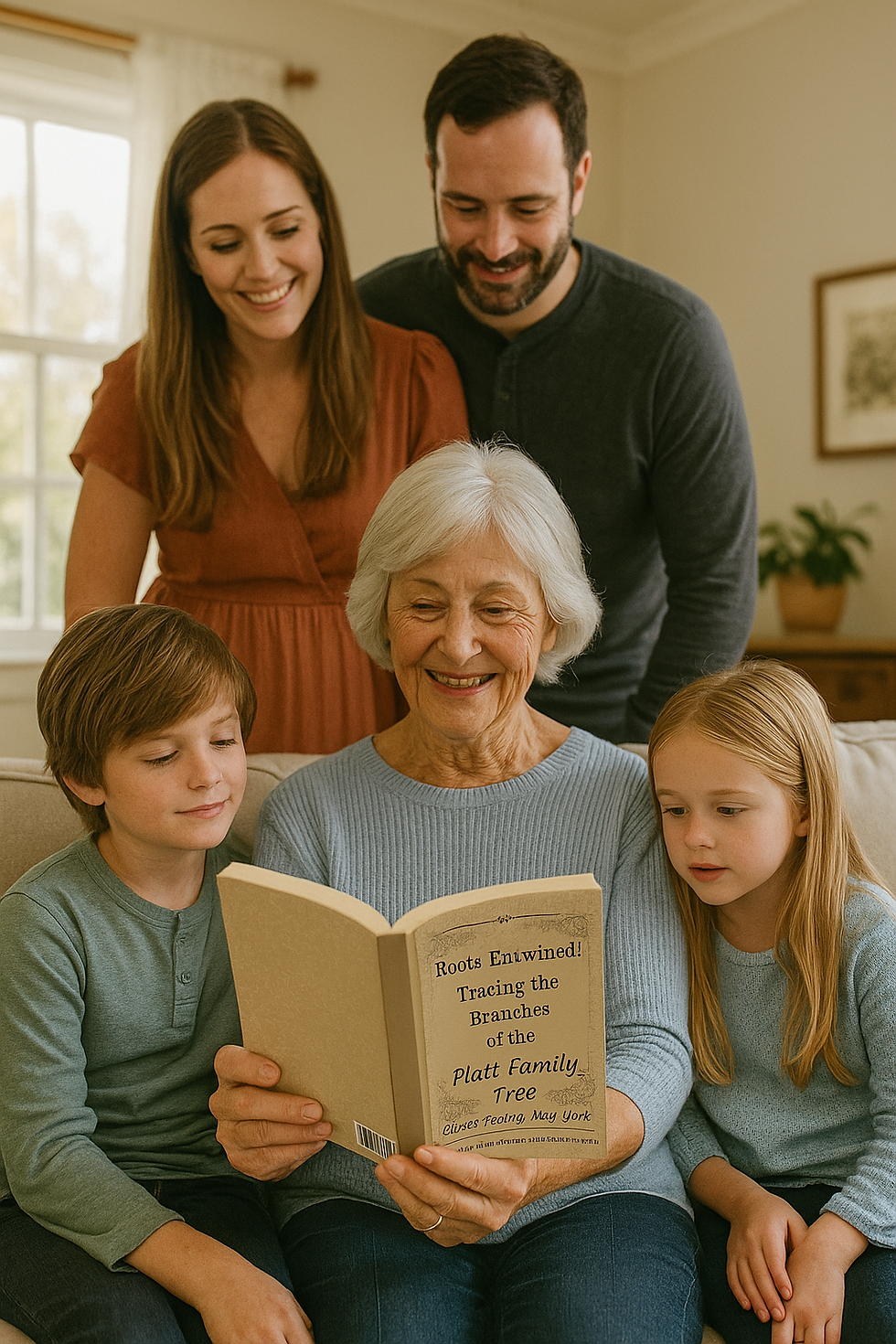
Tip: Bringing your family together can inspire further contributions and uncover additional stories, enriching the overall tapestry of your family's history.
The Journey of Discovery
Exploring your family history is not just about names and dates; it’s about weaving together lives and experiences that define who you are today.
By following these steps—from starting with what you know to sharing your discoveries—you will unlock remarkable stories of those who came before you.
So, grab your notepad, fire up that family tree software, and begin this exciting quest to uncover your family’s roots. You never know what incredible stories and surprising connections lie ahead!
To learn more about genealogy visit Book Serenity at www.bookserenity.cm
About the Author

Dr. Guadalupe Vanderhorst Rodriguez is a dedicated genealogist with over 40 years of experience uncovering ancestral histories. Her passion for preserving family legacies has led her to publish several in-depth family history books that have helped countless individuals trace their roots and honor their heritage.
Dr. Rodriguez was featured on the television program Who Do You Think You Are, where her expertise and deep research were showcased. Through her work, she continues to inspire others to explore their own genealogical journeys.


Comments